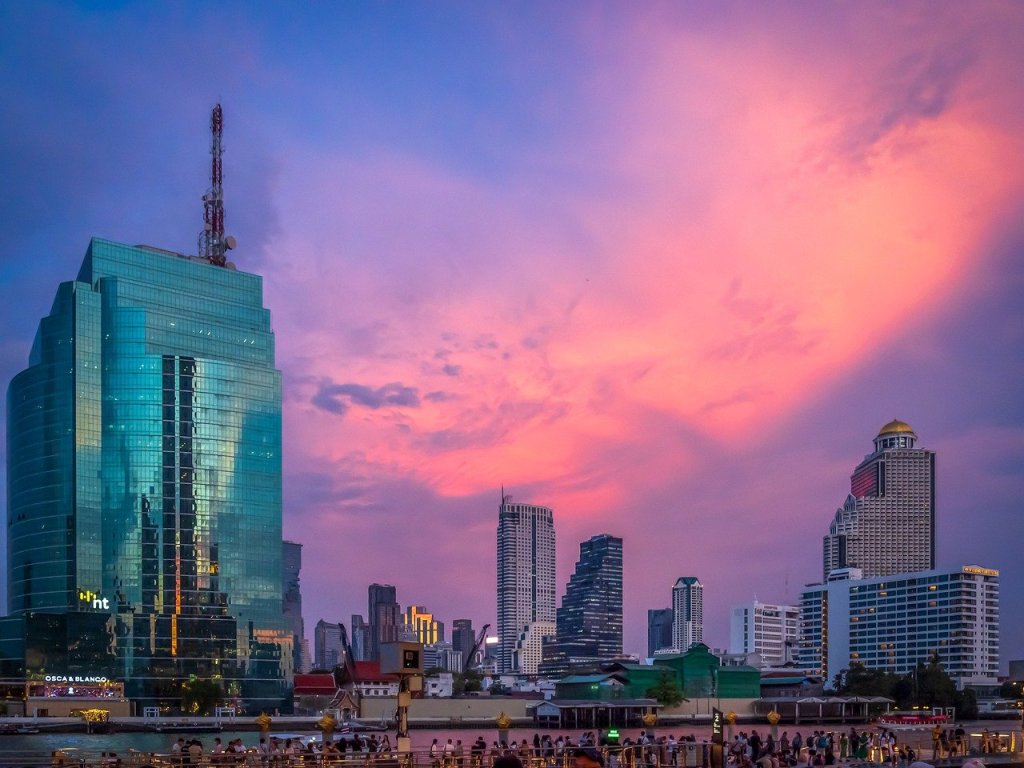

Exploring Bangkok’s Nearby Attractions: A Guide for Visitors

Bangkok, Thailand’s bustling capital, is a city packed with vibrant culture, ornate temples, and lively markets. However, the areas surrounding Bangkok are equally fascinating, offering a perfect escape for travelers looking to explore beyond the city. From ancient ruins to floating markets, these nearby attractions provide a glimpse into Thailand’s rich history and unique traditions.

One of the most popular destinations near Bangkok is Ayutthaya, a UNESCO World Heritage Site located about 80 kilometers north of the city. Once the capital of the Kingdom of Siam, Ayutthaya is famous for its stunning temple ruins, including Wat Mahathat, where the iconic Buddha head entwined in tree roots can be found. Founded in 1350, Ayutthaya thrived as a major trade hub until its destruction in 1767. Today, visitors can explore its historical park and marvel at the remnants of a glorious past.

Another must-visit destination is the Damnoen Saduak Floating Market, located about 100 kilometers southwest of Bangkok. This vibrant market is a feast for the senses, with vendors selling fresh produce, handmade goods, and traditional Thai dishes from wooden boats. The market is best visited in the early morning to beat the crowds and experience its authentic charm.

For nature lovers, a trip to Erawan National Park in Kanchanaburi Province is highly recommended. The park is home to the breathtaking Erawan Waterfalls, a seven-tiered cascade surrounded by lush greenery. It’s a great spot for hiking, swimming, and enjoying the natural beauty of Thailand. The park is around a 3-hour drive from Bangkok, making it a manageable day trip.

Commonly asked questions about Bangkok’s nearby attractions include:

  • How far is Ayutthaya from Bangkok? Ayutthaya is approximately 80 kilometers (50 miles) away and can be reached in about 1.5 hours by car, train, or boat.
  • What is the best time to visit Damnoen Saduak Floating Market? The market operates daily, but mornings are the best time to visit for cooler weather and fewer crowds.
  • Can you swim in the Erawan Waterfalls? Yes, swimming is allowed in designated areas of the waterfalls.

If you’re looking for a more spiritual experience, the Bang Pa-In Royal Palace, also near Ayutthaya, is worth a visit. Once a summer retreat for Thai royalty, this 17th-century palace complex features a mix of Thai, Chinese, and European architectural styles. The beautifully landscaped gardens and serene atmosphere make it a peaceful getaway.

Venturing outside Bangkok offers a chance to experience a different side of Thailand—one that blends history, culture, and nature. Whether you’re exploring ancient ruins, shopping at floating markets, or hiking to waterfalls, these nearby attractions promise unforgettable memories.

The Magic of South Bank Christmas Market – A Festive Historical Journey

The South Bank Christmas Market, nestled beside the River Thames in London, is a must-visit for those seeking a unique blend of history, culture, and holiday spirit. This festive market, which has been a staple of London’s Christmas celebrations since the late 20th century, is renowned for its picturesque setting, vibrant atmosphere, and plethora of stalls selling everything from handmade crafts to delectable food and drink.

The market’s location, South Bank, is steeped in history. Once the site of the 1951 Festival of Britain, it now hosts a variety of cultural and entertainment venues, including the iconic London Eye and Royal Festival Hall. The market’s setting, amidst these historical landmarks, adds an extra layer of charm to the festive experience.

One of the most commonly asked questions about the South Bank Christmas Market is: “What can I expect from a visit?” Visitors to the market can expect a bustling atmosphere filled with the sights, sounds, and scents of the season. There are numerous stalls offering a wide array of unique gifts, artisanal crafts, and international cuisine. Additionally, several performances and activities are typically scheduled throughout the market’s duration, providing entertainment for all ages.

The South Bank Christmas Market is not just a shopping destination, but a historic journey as well. It’s a chance to experience London’s rich history and vibrant culture in a festive setting. From the twinkling lights reflecting off the River Thames to the historical landmarks that serve as a backdrop to the market, every aspect of the South Bank Christmas Market is imbued with a sense of history and tradition.

A visit to the South Bank Christmas Market is indeed a festive treat for the senses, offering a captivating blend of history, culture, and holiday cheer. Whether you’re a history buff, a foodie, or simply in search of the perfect Christmas gift, the South Bank Christmas Market has something for everyone. So, as the holiday season approaches, why not add a visit to this historic market to your festive itinerary? It’s an experience that is sure to leave you with lasting memories of a London Christmas.

Embracing Our Skin: Understanding the Spectrum of Human Skin Colours

The human race is wonderfully diverse, and one of the most visible markers of this diversity is our skin colour. As a qualified dermatologist, I am frequently asked “how many skin colours are there?” It’s a fascinating question that delves into the heart of our genetics, evolution, and individuality.

Human skin colour is primarily determined by a pigment called melanin. Produced by cells known as melanocytes, melanin not only influences our skin colour but also protects us from the harmful ultraviolet rays of the sun. The more melanin you have, the darker your skin tone tends to be.

However, the answer to “how many skin colours are there?” isn’t a simple number. It’s a spectrum. Just as there are countless shades between the primary colours on an artist’s palette, there are countless variations in human skin tones. This diversity is a testament to the adaptability and resilience of the human species.

It’s important to understand that no skin colour is superior or inferior to another. Every shade is a result of our ancestors’ adaptation to their environment, specifically sunlight exposure. Those living near the equator, where sun exposure is high, generally have darker skin to protect against intense UV radiation. Conversely, those from regions with less sunlight often have lighter skin, as they needed to absorb more UV rays for vitamin D production.

Understanding this, we can appreciate the beauty and significance of our skin colour. It’s a part of our identity, telling a story about our ancestral journey and our adaptation to the world. It is also a testament to our shared humanity, reminding us that beneath the surface, we are all fundamentally the same.

Knowing your skin type and colour can also help you take better care of your skin. Different skin types may require different care routines and are prone to specific skin conditions. For example, darker skin tones may be more susceptible to hyperpigmentation, while lighter skin tones may be more prone to sunburn and skin cancer. Therefore, understanding your skin’s unique needs is crucial for maintaining its health and vitality.

So, next time you look in the mirror, take a moment to appreciate your skin colour. It’s a beautiful reflection of your genetic heritage and your body’s remarkable ability to adapt. Remember, every skin colour is unique, and every shade is beautiful in its own right.

Unveiling the Truth: What Causes Most Skin Problems?

It is often asked, “What causes most skin problems?” The answer is not as straightforward as you might think. Skin problems stem from a variety of factors, and understanding them is the first step towards healthier skin.

Firstly, our lifestyle choices. Yes, what we eat, how much we exercise, our sleep patterns, and even our stress levels can all affect the health and appearance of our skin. A diet rich in antioxidants, regular exercise, adequate sleep, and stress management can work wonders for your skin. However, neglecting these areas can lead to skin issues like acne, eczema, and premature aging.

Secondly, environmental factors play a significant role in the health of our skin. Exposure to sun, pollution, and harsh weather conditions can damage the skin, leading to problems like sunburn, pigmentation, and dryness. Therefore, it is crucial to protect your skin by wearing sunblock, using gentle skincare products, and keeping your skin hydrated.

Additionally, genetics can also contribute to skin problems. If your parents suffered from certain skin conditions, you might be more prone to developing them. However, this doesn’t mean that you’re doomed to have bad skin. With the right skincare routine and lifestyle changes, you can manage these genetic predispositions.

Lastly, hormonal imbalances are a common cause of skin problems, particularly in women. Fluctuations in hormones can lead to conditions like acne, rosacea, and melasma. But don’t worry, these conditions are manageable with the right treatment and care.

Understanding the root cause of your skin problems is the key to finding the right solutions. Don’t let skin problems hold you back. Instead, consider them as signals from your body, telling you that something needs to change.

Remember, achieving healthy skin is a journey, not a destination. It requires patience, consistency, and a holistic approach. So, take charge of your skin health today. Consult with a dermatologist, make necessary lifestyle changes, and embark on your journey towards healthier, glowing skin. After all, your skin is a reflection of your overall health, and taking care of it is not just a matter of vanity but a matter of overall well-being.

How to get healthy skin naturally?

Your skin is your body’s largest organ, a protective barrier that safeguards you from external elements, including dirt, bacteria, and harmful UV rays. It is crucial to maintain the health of this significant organ, but how can we do it naturally? The answer lies within the question, “How to get healthy skin naturally?” Our skin reflects our overall health, and by learning how to maintain it naturally, we can avoid chemical-filled products that may cause more harm than good. This journey towards natural skin health is not just about looking good; it’s also about feeling good and ensuring the long-term health of your skin. So why not delve into the world of natural skincare and learn how you can get glowing, healthy skin without resorting to harsh chemicals and artificial products?

The need for natural skin care arises from various factors. The primary cause is the increasing pollution and free radicals in our environment that damage our skin cells, leading to premature aging, fine lines, and other skin issues. Additionally, our unhealthy lifestyle choices, stress, and poor diet contribute to skin problems. Ignoring these issues can lead to severe skin conditions like skin cancer, psoriasis, and eczema. Furthermore, the overuse of synthetic skincare products often leads to skin irritation, allergies, and even hormonal imbalances. These risks underscore the importance of understanding and treating your skin conditions naturally and promptly. A dermatologist can provide invaluable insights into your skin health and guide you in choosing the right natural products for your skin type. They can also help identify any underlying health issues causing skin problems. Remember, healthy skin is not merely a vanity metric; it’s a vital indicator of your overall wellness. By opting for natural skin care, you are choosing a healthier lifestyle, reducing your exposure to harmful chemicals, and taking a significant step towards long-term health and well-being.

WHAT IS BANGKOK FAMOUS FOR

Bangkok, the capital city of Thailand, is famous for its vibrant culture, rich history, and stunning landmarks. In this blog post, we will explore what makes Bangkok such a popular destination for travelers.

Bangkok, often referred to as the “City of Angels,” is renowned for its bustling streets, ornate temples, and vibrant markets. Steeped in history and cultural heritage, this city offers visitors a unique blend of tradition and modernity. From the iconic Grand Palace to the bustling Chatuchak Weekend Market, there is something for everyone in Bangkok.

The history of Bangkok dates back to the 15th century when it was a small trading post. Over the centuries, it grew into a thriving city and became the capital of Thailand in 1782. Many of the city’s landmarks, such as Wat Arun and Wat Phra Kaew, showcase the architectural brilliance and spiritual significance of the Thai culture.

Visitors are drawn to Bangkok for its diverse attractions. Whether you want to indulge in Thai cuisine, shop for unique souvenirs, or explore the vibrant nightlife, the city has it all. The floating markets, such as Damnoen Saduak, offer a glimpse into the traditional way of life, while the modern shopping malls cater to those seeking a more contemporary experience.

Reaching Bangkok is convenient, as it is served by two international airports and has an extensive public transportation system. From the airport, visitors can take a taxi, airport shuttle, or the efficient Skytrain to reach their destination within the city.

FAQs:

  1. What is the best time to visit Bangkok?
    The best time to visit Bangkok is during the cool and dry season from November to February.
  2. Is it safe to travel around Bangkok?
    Bangkok is generally a safe city, but it’s always advisable to take precautions and be aware of your surroundings.
  3. What are some must-visit temples in Bangkok?
    Wat Arun, Wat Phra Kaew, and Wat Pho are some of the most famous temples in Bangkok.
  4. Are there any floating markets in Bangkok?
    Yes, Damnoen Saduak and Amphawa are popular floating markets in Bangkok.
  5. What is the local currency in Bangkok?
    The local currency in Bangkok is the Thai Baht (THB).

Bangkok’s rich culture, historical landmarks, and vibrant atmosphere make it a must-visit destination. Whether you’re interested in exploring temples, trying delicious street food, or experiencing the energetic nightlife, Bangkok has something for everyone. Plan your visit to this captivating city and immerse yourself in the wonders of Thailand.

can dermatologists treat dark circles

Discover How Dermatologists Can Effectively Treat Dark Circles and Enhance Your Skin’s Health

Are you tired of looking in the mirror and seeing those pesky dark circles under your eyes? Do you find yourself constantly trying to cover them up with makeup or concealers? It’s time to take action and address this common concern that affects so many of us. Dark circles not only make us look tired and older, but they can also impact our self-confidence. Luckily, there is hope! Dermatologists are highly skilled in treating dark circles and can help you achieve a more youthful and vibrant appearance. Discover how their expertise can make a significant difference in your life.

Dark circles can be caused by a variety of factors, including genetics, lack of sleep, stress, allergies, and even certain medical conditions. They occur when blood vessels under the thin skin around the eyes become more visible, resulting in a dark or bluish tint. While dark circles are not usually a cause for concern, they can be a sign of underlying health issues or an indication that your skin is not receiving the care it needs.

Ignoring dark circles can lead to worsening of the condition over time. The skin around the eyes is delicate and sensitive, making it prone to damage and premature aging. Without proper treatment, dark circles can become more prominent, making you appear older and fatigued. Moreover, they can also contribute to the development of fine lines and wrinkles, further affecting the overall appearance of your skin.

By consulting a dermatologist, you can gain valuable insights into the causes of your dark circles and receive personalized treatment options. Dermatologists are experts in understanding the complexities of the skin and can provide effective solutions tailored to your specific needs. They may recommend lifestyle changes, such as improving sleep habits, managing stress levels, and adopting a healthy skincare routine. In some cases, they may suggest advanced treatments like laser therapy, chemical peels, or dermal fillers to address the root causes of your dark circles and help you achieve a brighter, more rejuvenated look.

Don’t let dark circles hold you back from feeling confident and refreshed. Take the first step towards brighter, healthier skin by consulting a dermatologist today. Together, you can uncover the best treatment plan to enhance your appearance and improve your overall well-being. Remember, your skin deserves the care it needs to shine.

the Kyoto Garden in Holland Park

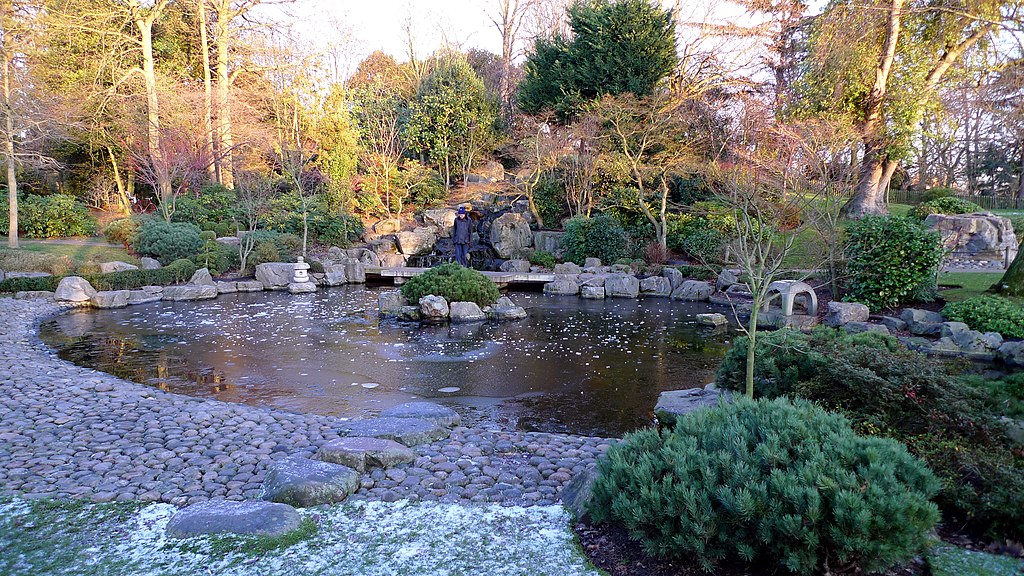
If you’re looking for a peaceful escape from the hustle and bustle of London, the Kyoto Garden in Holland Park is the perfect destination. This stunning Japanese garden is a hidden gem, featuring tranquil ponds, winding pathways, and beautiful cherry blossom trees. It’s a must-visit for nature lovers, photographers, and anyone looking for a serene spot in the city.

To fully appreciate the beauty of the Kyoto Garden, it’s worth knowing a bit about its history. The garden was created in 1991 as a symbol of friendship between London and Kyoto, Japan. It was designed by renowned Japanese garden designer, Yasuo Kitayama, and features traditional elements such as a rock garden, waterfall, and Torii gate. The garden has won several awards for its design and is considered one of the best Japanese gardens in Europe.

Getting to the Kyoto Garden is easy, with several transport options available. The nearest tube stations are Holland Park and Shepherd’s Bush, both of which are a short walk away. There are also several bus routes that stop nearby, including the 94, 148, and 295.

If you’re interested in learning more about the Kyoto Garden, here are some FAQs:

1. Is the garden free to enter? – Yes, the garden is free to enter and open to the public.

2. What are the opening hours? – The garden is open from 7:30 am to 30 minutes before dusk.

3. Are there any guided tours available? – No, there are no guided tours available, but there are information boards throughout the garden.

4. Can I take photos in the garden? – Yes, photography is allowed in the garden.

5. Are there any events held in the garden? – Yes, there are occasional events held in the garden, such as cherry blossom viewing parties and cultural festivals.

Kyoto Garden in Holland Park is a beautiful and peaceful destination that is definitely worth a visit.

Pic by

Suman Gurung, CC0, via Wikimedia Commons

Ewan Munro from London, UK, CC BY-SA 2.0 https://creativecommons.org/licenses/by-sa/2.0, via Wikimedia Commons

What do Medical Dermatologists do

A Medical dermatology is a particular medical professional that involves treatment of skin, hair, and nail diseases. Dermatologists receive 44 million visits annually, according to the Centres for Disease Control and Prevention (CDC. Among the main aims of  visiting a dermatologist are;

  • Acne
  • Skin lesions
  • Skin rash
  • Pigmentation or discolouration

What does a medical dermatologist perform in medicine?


These dermatologists are capable of identifying and treating skin-related ailments. This covers ailments including acne, rosacea, and plaque psoriasis. A dermatologist can also recognise skin indicators of other illnesses that could be present. For instance, dry, itchy skin may occasionally indicate renal issues.

What types of conditions do dermatologists treat?
Dermatologists are skilled in treating many disorders that affect your skin, hair, and nails. Here are a few of the ailments that they commonly treat:

Acne: A dermatologist can use topical medications, laser or other light therapy, chemical peels, or surgical removal of big cysts to treat acne, depending on its severity.
Skin cancer: Your body can develop skin cancer anywhere. A dermatologist can eliminate cancerous cells from you while keeping an eye on you.
Dermatitis: “Dermatitis” refers to various inflammatory and irritated skin disorders.
Hair Loss: Hereditary baldness can result in hair loss. SIn the event that treatment is feasible, a dermatologist can identify the underlying reason.
Nail issues: Dermatologists often treat spots, discolouration, and nail separation as frequent problems.

Diana Memorial Playground

In June 2000, the Diana Memorial Playground was opened in memory of the late Princess of Wales, who tragically died in a motor accident in Paris, France, in 1997.

With her patronage of The Royal Marsden Hospital and Great Ormand Street Hospital for Children, the playground is a fitting memorial to someone with such consideration for the welfare of the young, and who was so loved by the nation.

The playground is located on The Broad Walk, close to her Kensington Palace home, and just a 10-minute stroll across Kensington Gardens from Hyde Park London. The playground is totally free, but with restrictions. Only adults with children aged up to twelve years are allowed entry, and numbers in the playground are restricted, so arriving early is recommended.

The park’s centrepiece is a large pirate sailing galleon, complete with sand and a water play area. Other attractions include wooden climbing frames and bridges, Indian Tepees, a sensory trail, and swings and slides. Areas are separated by hedges, so keep an eye on the little ones, as the park can get busy.

For the grown-ups, there are toilets and a baby changing room, and a café and ice cream shop where you can buy snacks to eat at the picnic tables dotted around the playground.

During opening hours, the playground is fully staffed with security and first aid personnel, and all children must be supervised by a parent or guardian. The playground opens from 10.00 to 19.45 through the summer, with earlier closing through the winter months.

By Mark Ahsmann – Own work, CC BY-SA 3.0, https://commons.wikimedia.org/w/index.php?curid=25533370